
What does a burnt voice coil tell you?
Over 95% of the power you send a woofer becomes heat, not sound, and that heat lands in the coil.
1:21 video
The working
Clipping is the big one. Push an amp past its limit and the wave flattens into a square: it stays at full power longer, with up to twice the heat of a clean wave. The coil cooks, the insulation breaks down, turns short together and burn through, leaving burnt spots and holes in the winding.
Plain too much power: the whole coil evenly darkened, and the glue lets go so the windings come loose.
Too much bass travel: the coil slams the back plate and the former gets crushed or bent at one end. A ported box played below its tuning does this.
A scraped band: it rubbed in the gap, from a warped former, a sagging spider or a drop.
Looks fine but plays nothing: the lead wires snapped from flexing too far.
The fix: set an RMS limiter from the driver's continuous power rating, don't clip your amps, and high-pass your subs.
Sources: typical woofer efficiency of a few percent (over 95% of input becomes heat); a fully clipped sine becomes a square wave with twice the mean power at the same peak. Failure signs from repair practice. Visuals are illustrations.
More questions
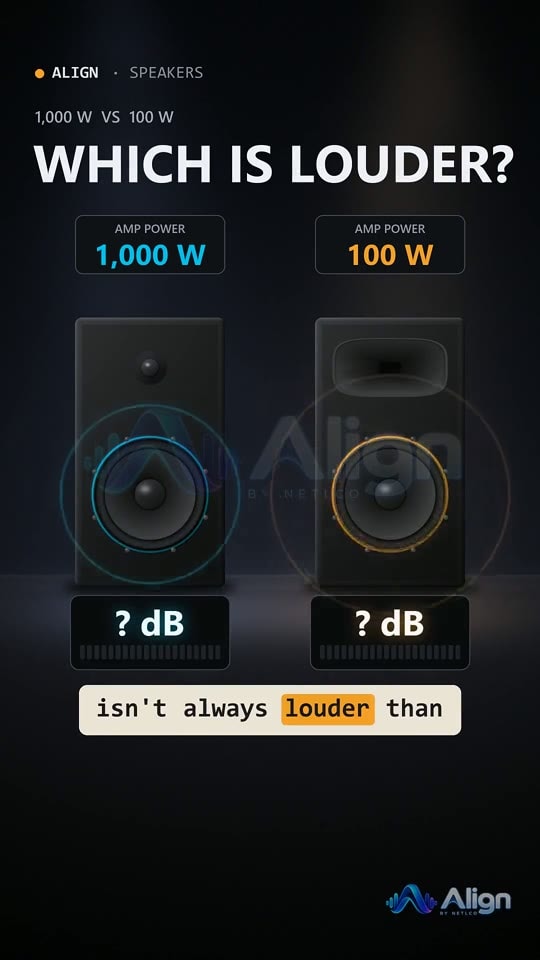 0:55Is a 1,000 W speaker louder than a 100 W one?Not always. Watts tell you how much power a speaker can take, not how loud it gets. Loudness comes from sensitivity: how loud it plays with 1 watt, measured at 1 metre.
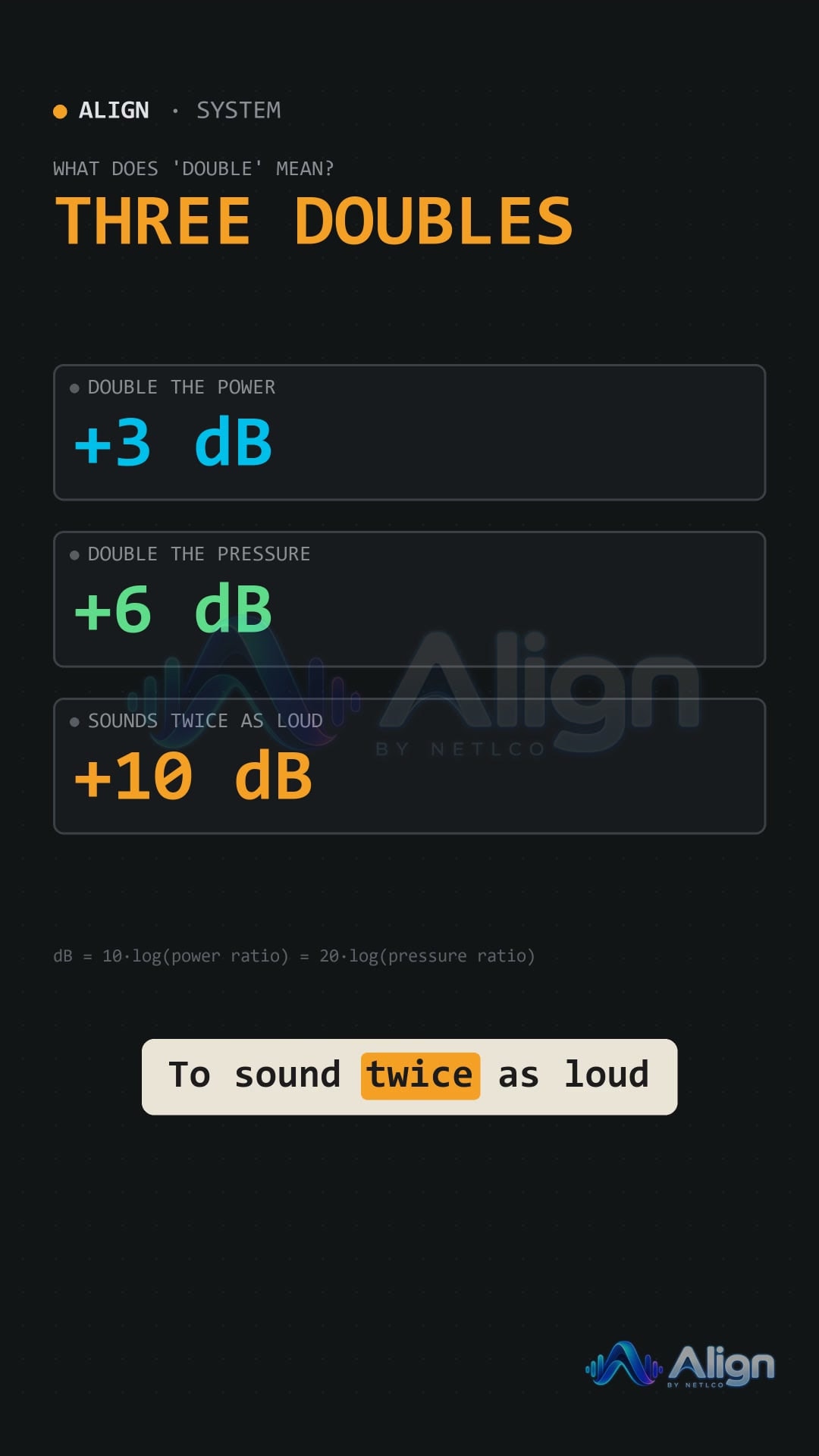 0:50Want it twice as loud?Bigger amp, or more speakers? Double the power = +3 dB. Double the pressure = +6 dB. To actually sound twice as loud you need about +10 dB.
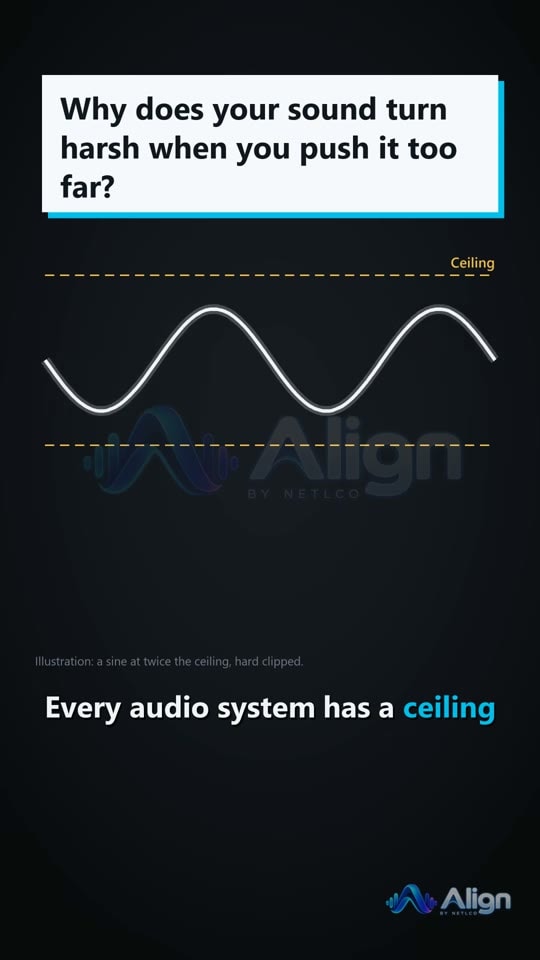 0:26Why does your sound turn harsh when you push it?Every system has a ceiling. Push past it and the tops of the wave get chopped flat. That is clipping, and those flat tops add harmonics that were never in the music.
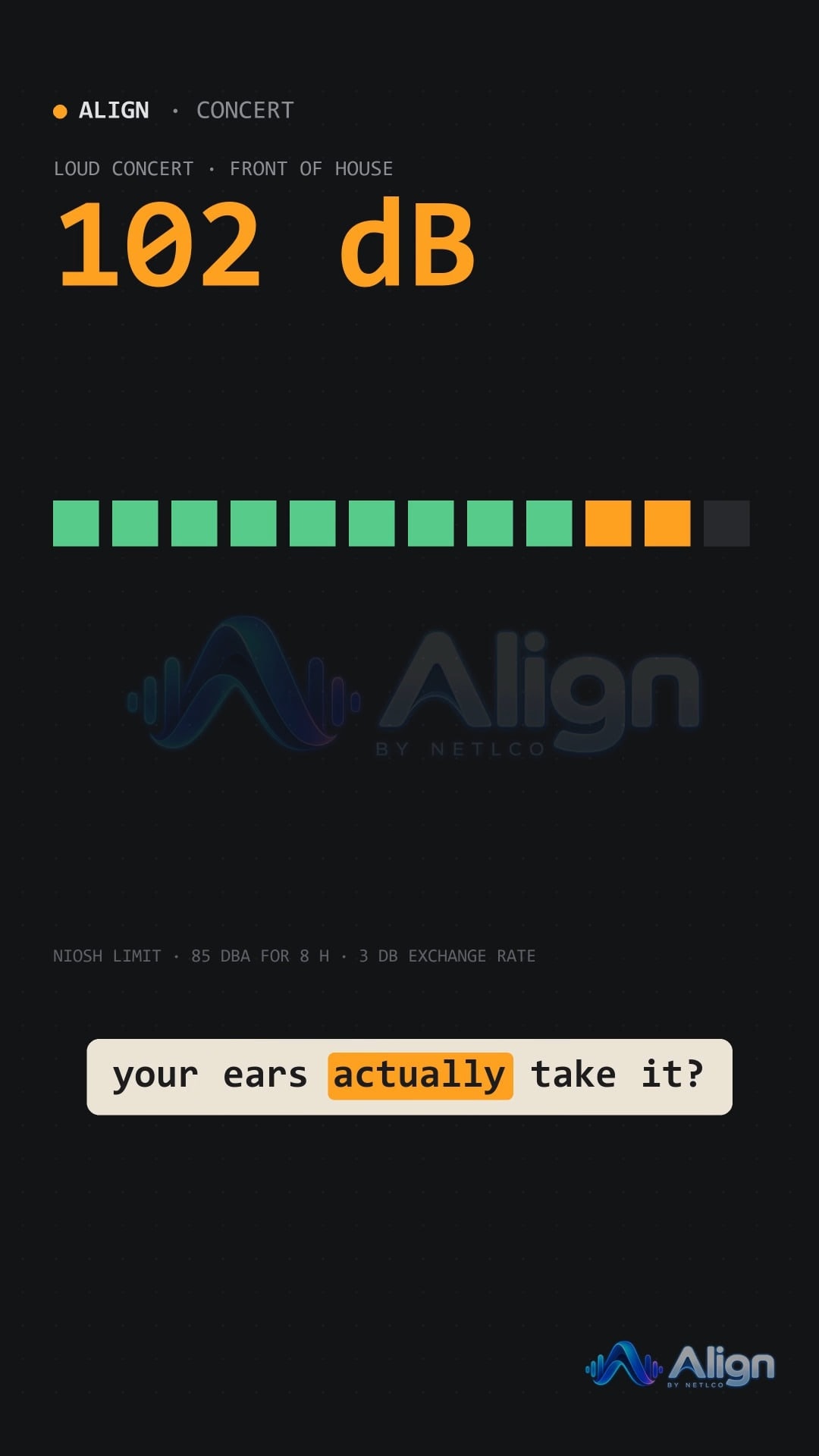 0:50How long can your ears take a loud concert?NIOSH sets 85 dBA for 8 hours, and every 3 dB louder halves the safe time, so at 100 dB it is about 15 minutes.